Manatees on the Move: Understanding Florida’s Gentle Giants During Manatee Awareness Month
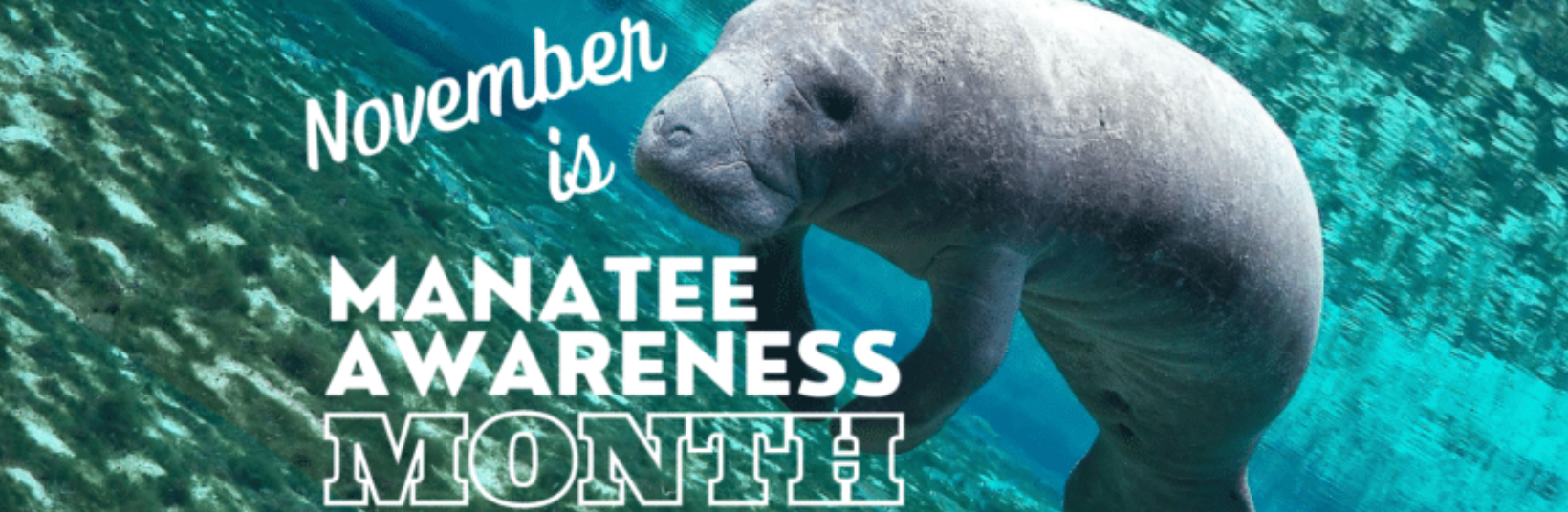
Every November, Florida turns its attention to one of its most beloved and iconic marine mammals: the manatee. As Manatee Awareness Month arrives, so does a seasonal shift that plays a critical role in the lives of these gentle giants. The cooling temperatures trigger an instinctive migration, sending manatees on the move in search of warm-water refuges across the state. It is both a beautiful natural event and an important reminder of the responsibility Floridians and visitors share in protecting these vulnerable animals.
Why November Matters: The Start of Manatee Movements
As autumn deepens, water temperatures begin to fall—and for manatees, this change is more than just a seasonal shift. It’s a matter of survival. Michelle Pasawicz, the Manatee Management Program Coordinator with the Florida Fish and Wildlife Conservation Commission (FWC), explains it clearly: “Manatees are highly dependent on safe and reliable warm-water sites to survive the winter.”
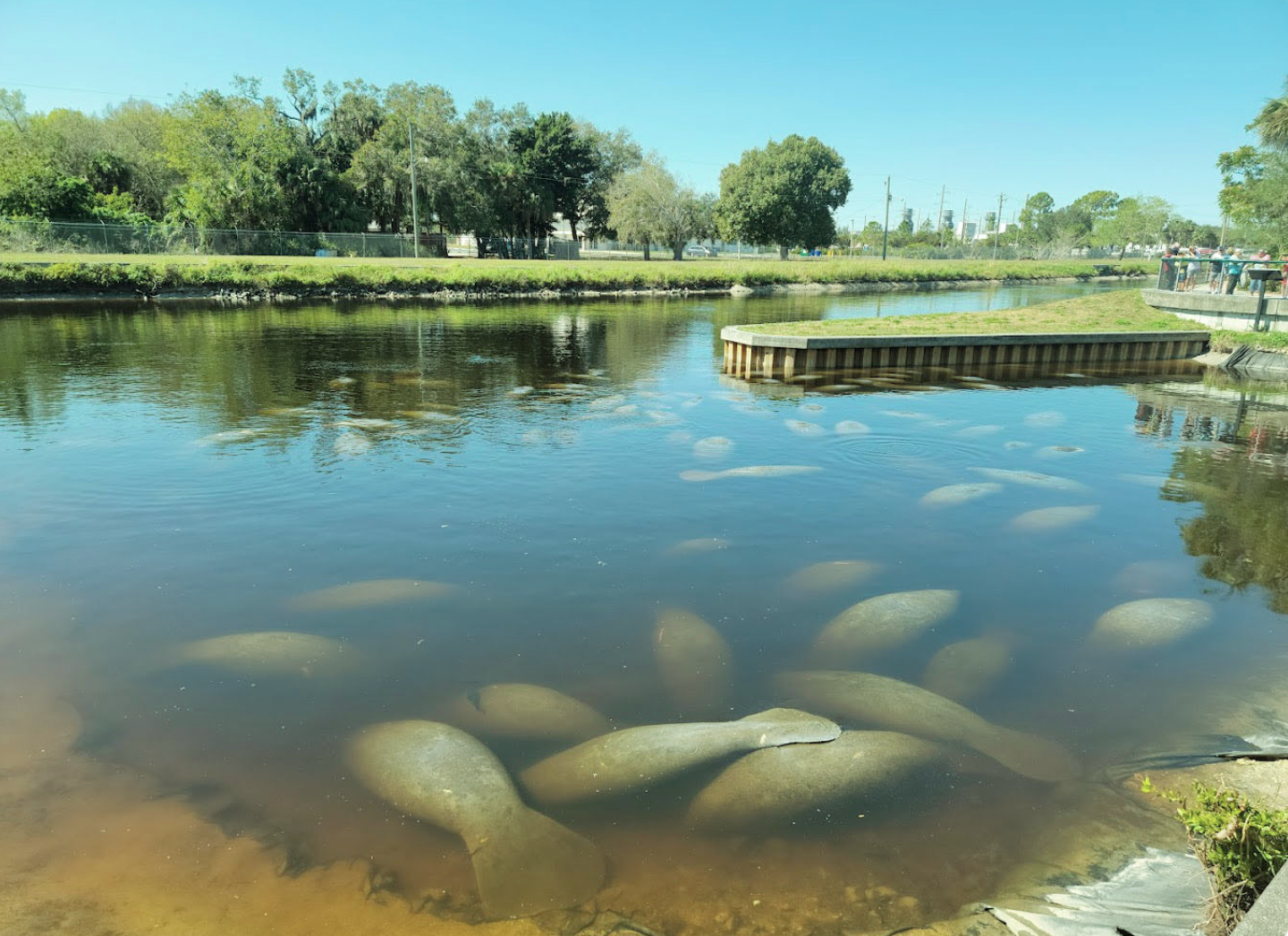
Unlike many marine species, manatees cannot tolerate sustained cold. When water drops below 68 degrees Fahrenheit, their bodies struggle to maintain normal function, putting them at risk of “cold stress,” a dangerous and sometimes fatal condition. Because of this, manatees instinctively migrate to warm-water refuges such as:
- Natural freshwater springs
- Power plant outflows
- Protected estuaries and canals
- Warm-water pockets along Florida’s coastline
These sites offer consistent temperatures that allow manatees to stay healthy until spring warms the waters again. You may see dozens—or even hundreds—gathered peacefully in these areas, resting and conserving energy.
The Importance of Slowing Down on the Water
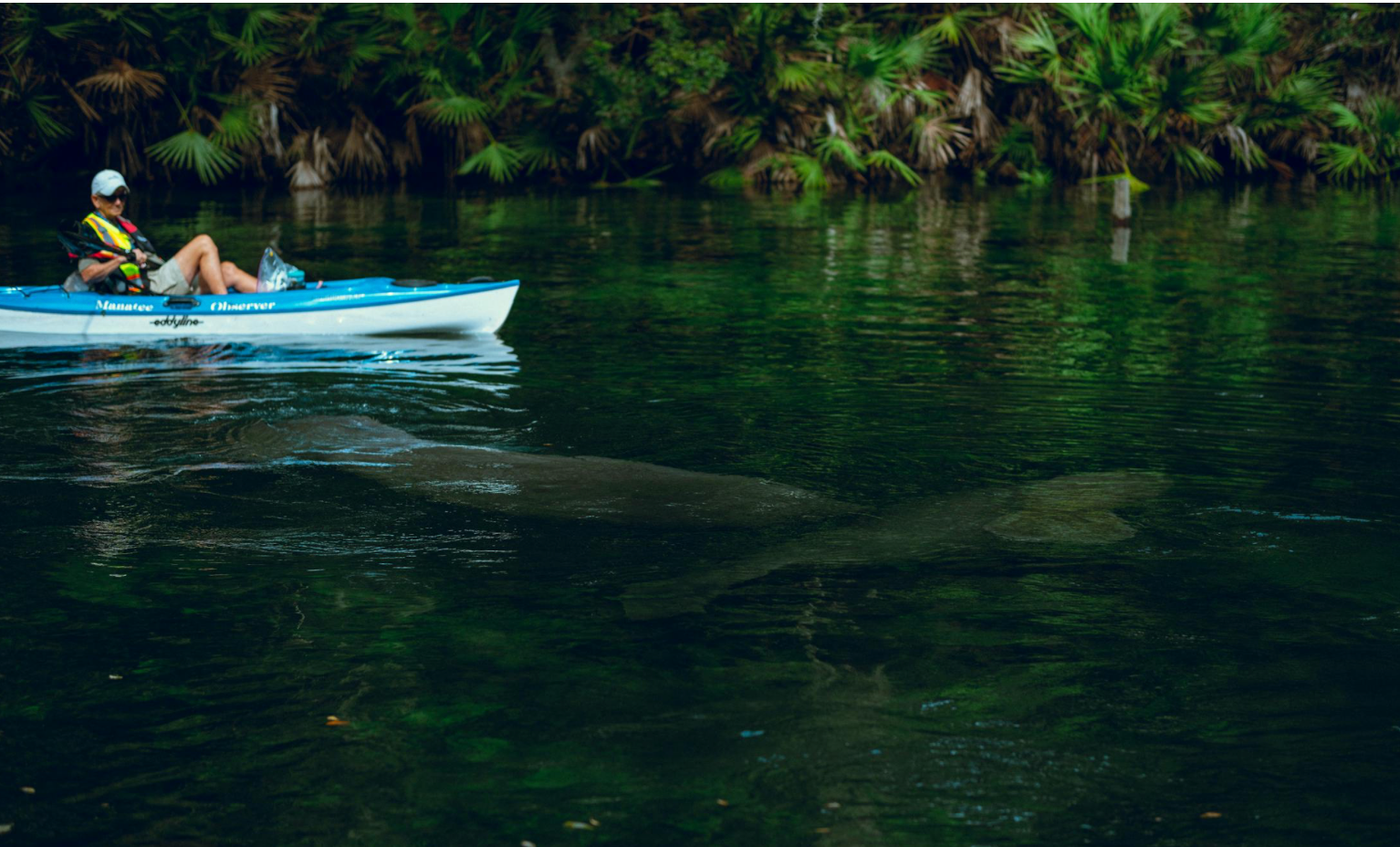
While adult manatees can weigh over 1,000 pounds, they can be surprisingly difficult to see in the water. Their slow-moving nature, combined with their gray coloring, often leads them to blend into their surroundings. This is why FWC emphasizes caution and awareness for anyone enjoying Florida’s waterways this time of year.
If you plan to go boating, paddling, or exploring on a personal watercraft, the most important thing you can do is go slow. Seasonal manatee protection zones go into effect in many parts of the state during winter months. These zones require reduced boat speeds or complete avoidance of certain areas known to be frequented by manatees. The regulations are not just guidelines—they are legally enforced rules designed to reduce collisions that can seriously injure or kill these vulnerable creatures.
The FWC and other law enforcement agencies patrol waterways to ensure that boaters are following posted signs. These signs are critical tools that help guide safe and responsible boating near manatee habitats. Maps of manatee protection zones are available online at MyFWC.com/MPZ, making it easy for boaters to plan ahead.
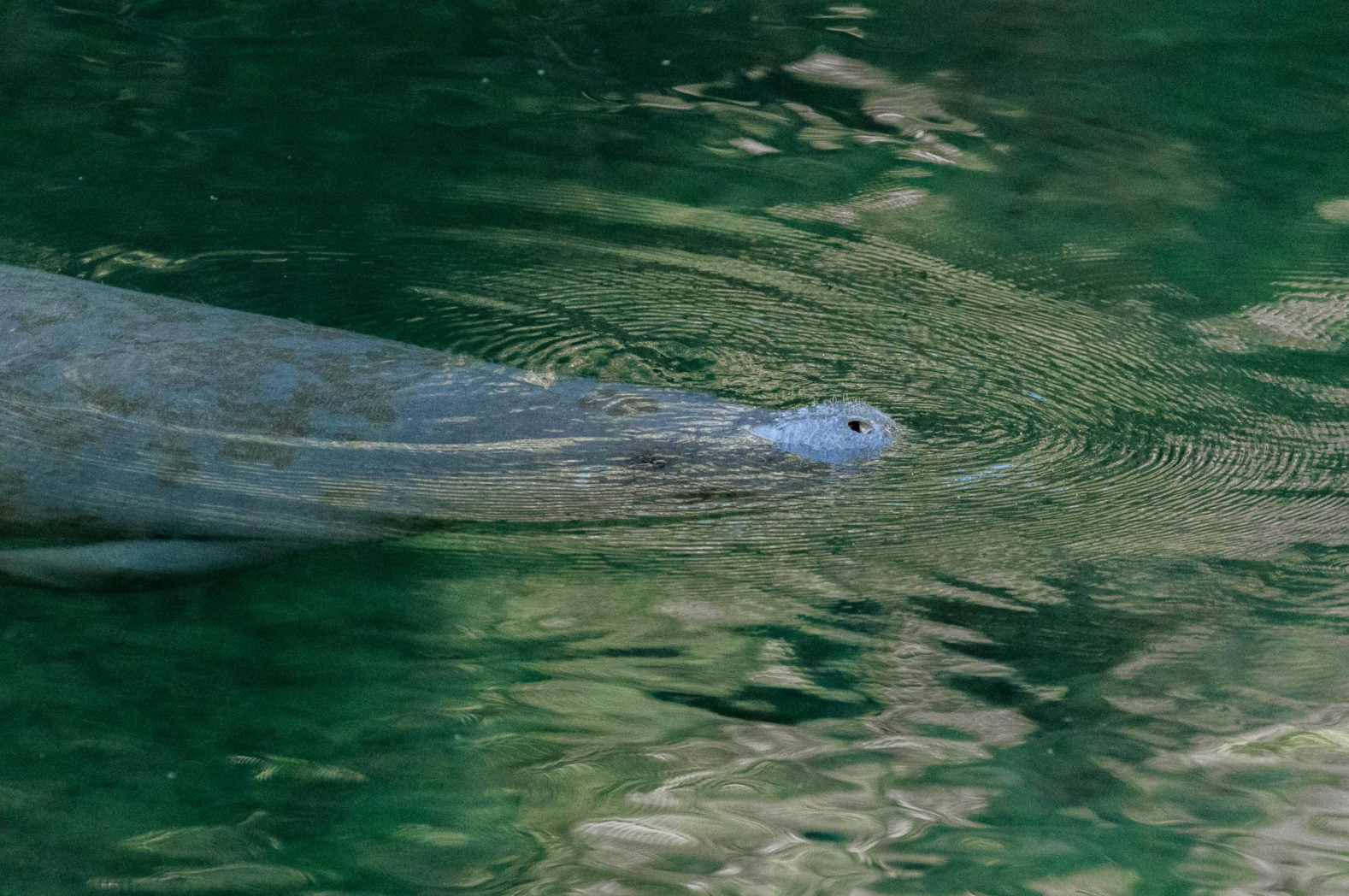
A simple pair of polarized sunglasses can also make a meaningful difference by helping you see manatees beneath the water’s surface. Look for telltale signs such as:
- A swirl or flat spot on the water surface
- A snout breaking the surface
- A large shadow gliding slowly below
Staying alert protects both you and the manatees sharing the water with you.
Why Giving Manatees Space Matters
When manatees gather in warm-water refuges, it’s essential for people to respect their need for space. Disturbing manatees—whether intentionally or unintentionally—can cause them to flee into colder waters, which can be life-threatening. Warm-water sites serve as critical winter sanctuaries, and even short disruptions can have serious consequences.
Manatees are protected under both state and federal law. It is illegal to:
- Harass
- Feed
- Touch
- Pursue
- Disturb
- Or harm them in any way
Even well-meaning visitors should remember that the best way to show love to manatees is to observe from a distance and let them behave naturally.
For those visiting popular manatee viewing spots such as Blue Spring State Park, Homosassa Springs, or various coastal power plants, following established guidelines ensures that manatees remain safe—and that people can enjoy observing them in a respectful and responsible manner.
What To Do If You See a Manatee in Trouble
Despite protections, manatees still face numerous threats, including boat strikes, red tide exposure, habitat loss, entanglement, and cold stress. If you ever encounter a manatee that appears:
- Injured
- Sick
- Distressed
- Entangled
- Or deceased
You should immediately report it to the FWC’s Wildlife Alert Hotline at 888-404-FWCC (3922).
Do not attempt to move, hold, or rescue the animal yourself. Manatees are large, powerful animals, and attempting to help without proper training can cause further harm both to the manatee and to you. FWC’s trained responders are equipped to handle these situations with the care and expertise required.

Resources for Learning and Helping
Florida is home to both residents and millions of annual visitors who share the waterways with manatees. Education is one of the strongest tools for conservation, and the FWC offers a variety of resources at MyFWC.com/Manatee. This includes viewing guidelines, boating tips, and information on how anyone can support ongoing conservation efforts.
Those interested in contributing more directly can purchase a Florida manatee license plate or donate $5 for a collectible FWC manatee decal—both available at local Tax Collector’s offices. These contributions help fund essential manatee research, rescue operations, and habitat protection programs.
A Shared Responsibility: Protecting Florida’s Gentle Giants
Manatee Awareness Month serves as an annual reminder that these calm, slow-moving animals rely heavily on our actions to stay safe during their most vulnerable time of year. Whether you’re a lifelong Floridian or a visitor just discovering the magic of manatees for the first time, your choices make a difference.
By boating responsibly, observing from a distance, reporting manatees in distress, and supporting conservation programs, you become part of the effort to protect these beloved animals for generations to come.
As the temperatures drop and manatees make their winter journey to warm waters across Florida, let’s commit to keeping them safe—one careful decision at a time.
Share This Article